By eight o'clock in the morning, the line had already stretched beyond the corner.
Men, women, and children waited quietly, containers in hand, hoping to collect enough water for the day ahead. Some had arrived before sunrise. Others joined later after finishing household chores or checking on relatives nearby.
For many families, waiting has become part of daily life.
Waiting for water.
Waiting for food.
Waiting for news.
Among those in line was a father of four who said the routine rarely changes. He wakes early each morning and heads out before the heat becomes too intense. Some days the wait is short. On other days, it can take hours.
"You learn to be patient," he said with a tired smile. "There isn't much choice."
A few metres away, children sat on empty containers while their mothers talked. The conversation moved between everyday concerns and larger worries. One woman spoke about rising prices. Another discussed her son's studies and whether he would be able to return to regular classes.
Despite the challenges, people continue to help one another.
When an elderly man struggled to carry his containers, two teenagers stepped forward without being asked. They lifted the heavy load and walked beside him until he reached his shelter.
No one seemed surprised.
Acts like this have become common.
Life remains difficult for thousands of families. Access to essential services is limited, and many households continue to face uncertainty about what tomorrow may bring.
Yet daily routines continue.
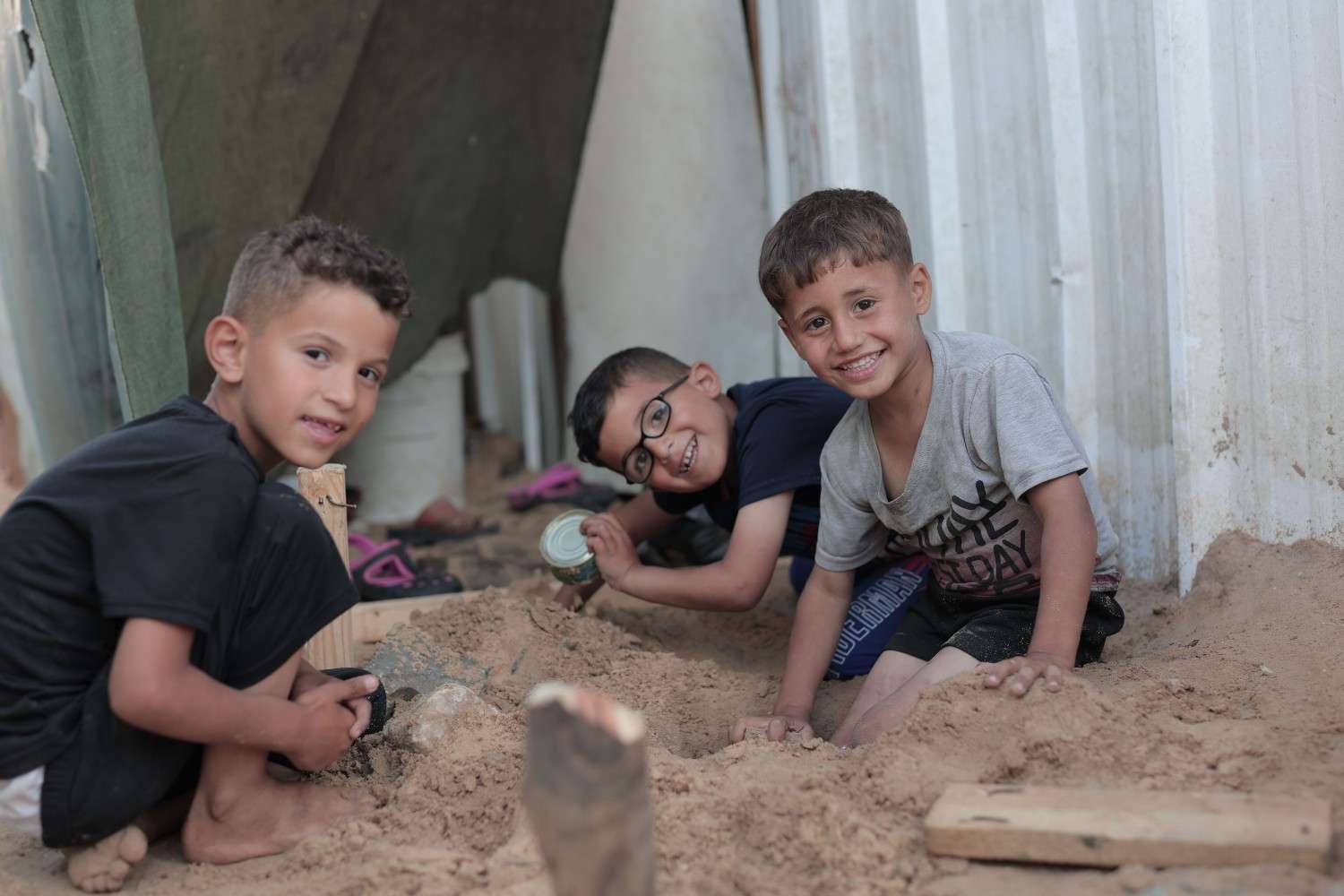
Children play when they can. Parents do their best to provide for their families. Neighbours check on one another at the end of the day.
These moments rarely appear in reports or headlines.
They are ordinary moments.
But for the people living through them, they are what keep communities together.