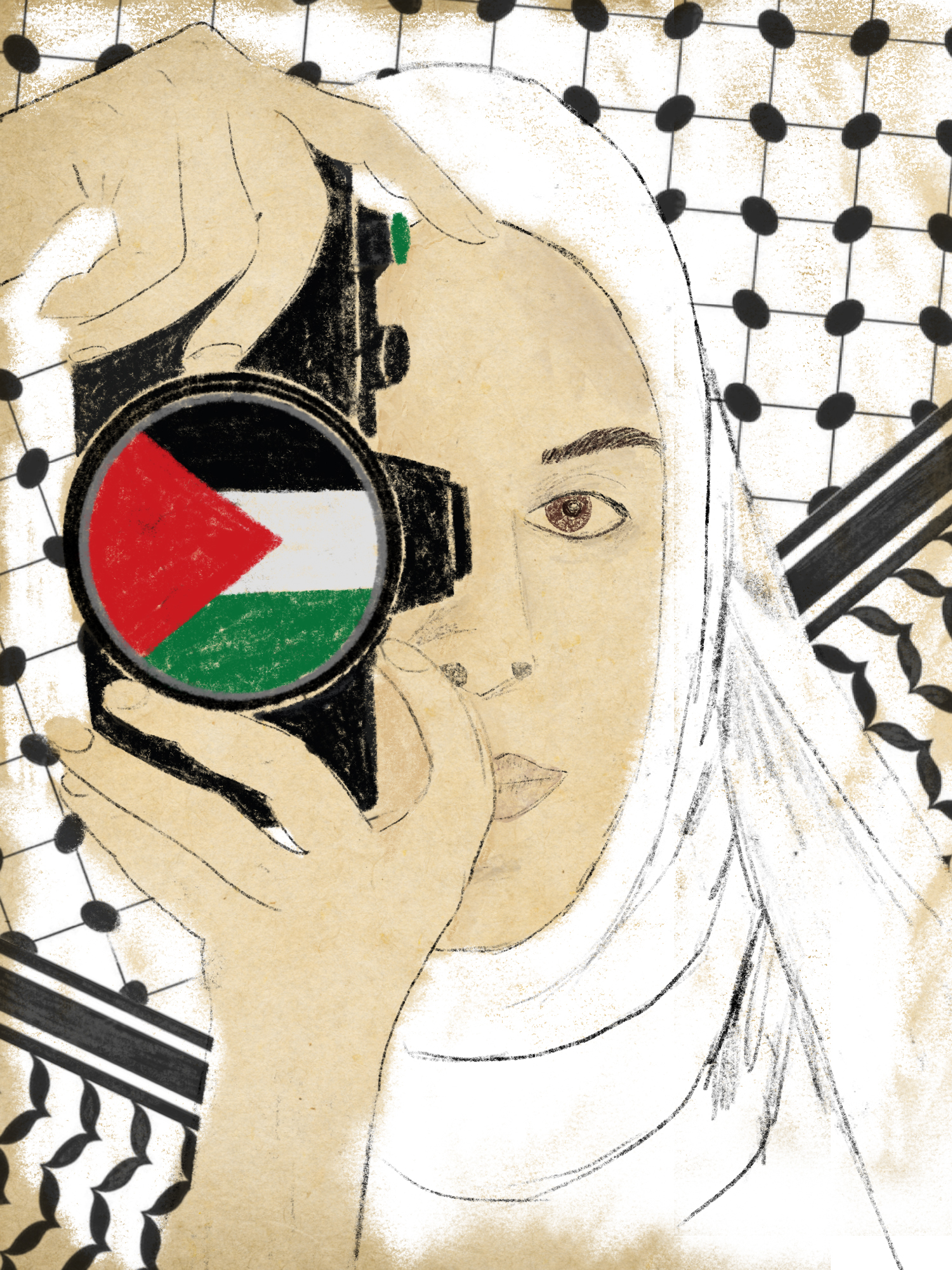
If you're reading this, I see you, checking your phone first thing in the morning, thumb hovering over news apps, heart tightening before you even click. You scroll through images that sear themselves into your memory, faces that visit you in quiet moments. You feel the weight of a place you may have never visited, carried by people you may never meet.
And right now, you might be exhausted. I know that exhaustion, it settles behind your eyes like dust, makes your shoulders heavy, sometimes keeps you up at night wondering if anything you do matters at all.
The news from Gaza is relentless. Each morning brings new numbers that feel both numbing and impossible to comprehend. The death toll rises. Ceasefires hold and then fracture like promises you knew would break. For those who care deeply, this creates a unique anguish, the despair of witnessing injustice while feeling powerless to stop it.
This guide won't tell you to "look away." Gaza cannot afford for the world to look away, and your conscience won't let you anyway. But there's a difference between bearing witness and being consumed. Between staying informed and being immobilized by grief.
What You're Carrying and How to Lighten the Load
Let's name what you're experiencing. It has names, these feelings that wake you at 3 AM:
Compassion fatigue; that moment when you read another headline and feel nothing for a split second, followed by shame at your numbness. Moral injury, the ache in your chest when you witness acts that violate everything you believe about justice. Secondary trauma, the way their grief becomes yours until you're not sure where your emotions end and theirs begin.
None of these mean you care too much. They mean you're human. Our nervous systems have limits, like dams that can only hold so much water before they begin to leak or break. Your grief is evidence of your humanity, not weakness.
Read with intention, not compulsion. Choose two specific times, morning and evening; to check updates. Between those times, give yourself permission to live. The news will still be there.
Curate your sources. Seek Palestinian journalists reporting from inside Gaza, context-rich analysis that explains the "why" behind the "what," and solutions-focused reporting on resilience and resistance. Follow accounts that leave you informed rather than hollowed out.
Limit graphic imagery. You don't need to view every image to bear witness. There's a difference between knowing the truth and traumatizing yourself with repeated exposure. If images overwhelm you, read the text. Your witness is valid without your retraumatization.
Create a "closing" ritual. After reading, take three deep breaths. Drink water while naming something you're grateful for. Step outside for one minute, feeling your feet on the ground. This tells your nervous system: I have witnessed. Now I will act.
From Despair to Action: Your Antidote
Despair happens when we witness suffering without any outlet for response. The single most effective antidote is meaningful action, not because it will immediately solve the crisis, but because it restores our agency.
Support Palestinian voices directly. Share content from Palestinian journalists, artists, and writers. When you share their work, you're saying: "I see you. I believe you. Your story matters."
Sustain organizations on the ground. Groups like Yafa Relief deliver tents, food, and medical aid. Regular, sustained donations, even small monthly amounts provide stability one-time gifts cannot. That $10 you spend on coffee once a week? It could buy clean water for a family.
Turn grief into advocacy. Write to your representatives. Share stories with friends and explain why they matter. Last week, I wrote to my representative, and though it took only 15 minutes, it shifted something in me. I wasn't just absorbing news anymore; I was responding.
Connect with community. Despair thrives in isolation. Join a local solidarity group or simply call a friend who understands. Just sitting in a room with others who felt what I felt, no explanation needed, lifted a weight I hadn't realized I was carrying alone.
What Despair Cannot Touch
Despair tells you that nothing changes, that resistance is futile. Despair is a liar.
In Gaza, even now: teachers hold classes in tents and rubble, doctors perform surgeries by phone light, farmers return to damaged land planting again because planting is hope. Poets write verses on scraps. Mothers sing to children to drown out bombs. Communities share the little they have.
These aren't small things. They're evidence that Palestinians aren't waiting for rescue, they're resisting, surviving, rebuilding with their own hands. They're saying: "We are still here. We will not be erased."
Your role isn't to save them. It's to stand with them, amplify them, refuse to look away; while refusing to be destroyed by what you see.
Read the news about Gaza with clear eyes. Let it break your heart, because a broken heart is still a heart that can feel, that can connect, that can respond. But do not let it break you. Do not let your grief become a tomb but rather a key that opens doors to action.
You are needed. Not as a witness consumed by grief, but as one who transforms grief into action, despair into determination, information into solidarity.
If this helped you, please share it. And if you're able, consider supporting Yafa Relief's emergency work in Gaza. Every contribution, at every level, makes a difference.