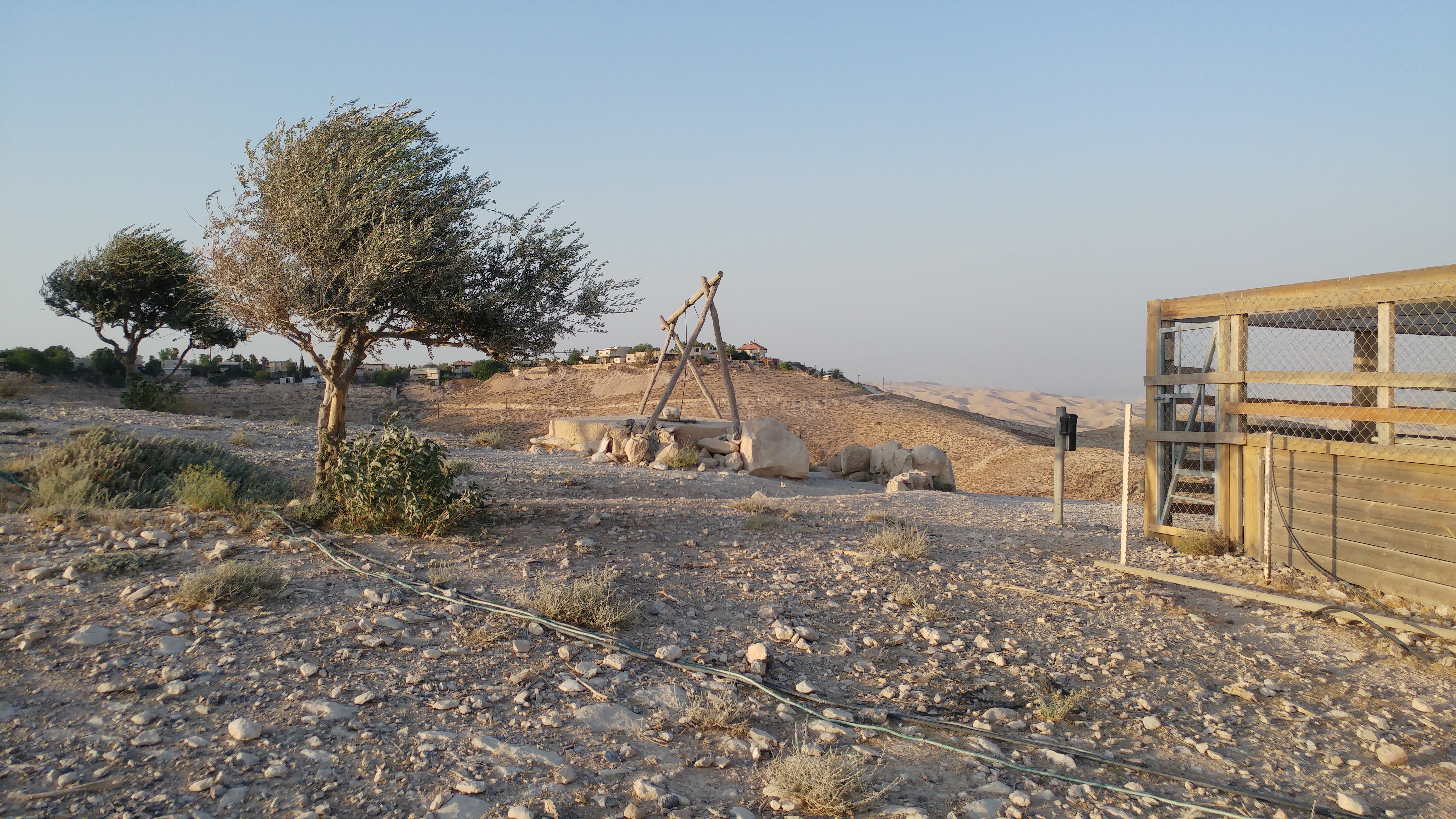
Before the road appeared, there was only a hilltop. Then came a trailer, a water tank, a generator humming through the night. Within months, the Israeli government ran electricity lines to the site, paved access roads with Defense Ministry funds, and stationed soldiers at its perimeter. The outpost had no permit. It did not need one. It had the state.
This is how facts are made on the ground in the West Bank.
Across the occupied territory, more than 150 unauthorized outposts operate alongside 145 officially recognized settlements. The distinction between legal and illegal matters far less than it appears. Both receive state funding. Both receive military protection. Both displace Palestinians from land their families have farmed for generations. The "unauthorized" designation functions not as a prohibition but as a waiting room, a temporary label that governments have converted, time and again, into retroactive legalization.
Organized, Funded, and Directed
Settlers are not a spontaneous religious movement acting outside the state. They are its forward operating units.
In 2024, Israel's Ministry of Settlements budgeted approximately 75 million shekels for security infrastructure at outposts officially classified as unauthorized. The Defense Ministry coordinated the disbursement. Peace Now, the Israeli settlement-monitoring organization, documents annual surplus government expenditure on settlements exceeding two billion shekels, covering roads, water systems, and subsidized mortgages. Per capita, settlers receive more state support than Israeli citizens living inside the Green Line.
The logistics of land seizure follow a consistent pattern. The Israeli military designates land as a "closed military zone," barring Palestinian access. Settlers move in. The military remains as protection. Eventually, the government declares the land "state land" using interpretations of Ottoman-era law that Israeli courts have repeatedly affirmed. The land does not return.
Since Hamas's October 7, 2023 attack, this process has accelerated. Peace Now recorded the advancement of more than 12,000 housing units in the West Bank in 2023 alone. The Israeli cabinet also approved the largest single land seizure in the Jordan Valley in decades, transferring thousands of dunams to state control. The Gaza war drew international attention away from the West Bank. The settlement enterprise used the interval.
The Hilltop Youth as an Instrument
South of Hebron, in the hills that Palestinians call Masafer Yatta, a network of outpost farms has spent years pushing Palestinian shepherds off ancestral grazing land. Settlers use drones to monitor Palestinian movement. They destroy water cisterns. They block access roads with their own vehicles, sometimes with soldiers watching nearby. The United Nations Office for the Coordination of Humanitarian Affairs documented more than 1,200 settler attacks across the West Bank in 2023, the highest figure in years.
The United States Treasury sanctioned members of the Hilltop Youth network in 2024 for coordinated acts of arson, assault, and what their movement calls "price tag" attacks: collective punishment against Palestinian communities in response to any perceived setback. But sanctions have not slowed the movement. Its members operate, as Haaretz has reported, with near-total impunity inside the West Bank. Israeli prosecutors rarely pursue cases. Convictions are rarer still.
The Hilltop Youth do not act alone. Cabinet ministers with direct ties to the settlement movement now oversee the institutions that govern Palestinian life in the West Bank. Finance Minister Bezalel Smotrich controls the Civil Administration, the military bureaucracy that approves or denies Palestinian building permits, issues demolition orders, and manages land registration. He has used that authority to freeze Palestinian construction while accelerating settler expansion.
What Displacement Looks Like
For the communities of Masafer Yatta, displacement did not arrive as a single event. It arrived as accumulation. A spring blocked here. A road made impassable there. Sheep that disappeared overnight. An outpost visible from the village rooftop, closer each season.
The UN and Israeli human rights organizations including B'Tselem have documented dozens of Palestinian communities that reduced in population or dissolved entirely between 2022 and 2024 because of sustained settler pressure. Families did not flee violence in one terrible moment. They left because the conditions of staying became impossible to sustain.
This is the strategy. Not massacre but attrition. Not war crimes legible on a news cycle but the slow removal of the conditions under which a people can remain on their land.
The Architecture of Impunity
International law prohibits the transfer of a civilian population into occupied territory. Israel disputes the applicability of the Fourth Geneva Convention to the West Bank, a position that no other government and no international legal body accepts. The International Court of Justice ruled in 2004 that Israeli settlements violate international law. The International Criminal Court opened an investigation in 2021. The settlements expand regardless.
What sustains the settlement enterprise is not ideology alone. It is architecture: the architecture of funding, of legal cover, of military protection, and of bureaucratic obstruction that makes Palestinian resistance to displacement feel futile by design.
The hilltop outpost that began with a trailer is now a neighborhood. The road the state said it could not build arrived anyway. The soldiers who were supposed to separate settlers from Palestinians stand between Palestinians and their land.
The outpost did not grow despite the state. It grew because of it.