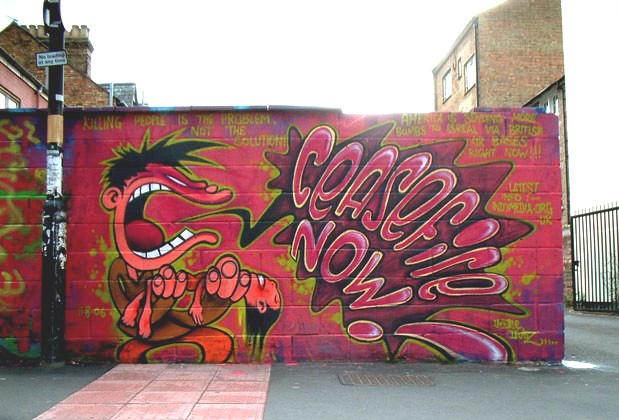
Lafi Al-Najjar is blind. He lost his son on April 28. An Israeli airstrike. He has learned, the way people in Gaza learn things now, that a word on paper does not change what happens to your family.
"The war is still ongoing," he said. "It stopped in the announcement, but in reality and on the ground, the war has not stopped."
He is right. The numbers confirm it.
Three Deaths a Day
Since October 11, 2025, the day a ceasefire was formally declared, Gaza's Ministry of Health has recorded 851 Palestinians killed and 2,437 wounded. That works out to more than three deaths per day. In a ceasefire. During the same period, Palestinian fighters killed four Israeli soldiers.
This is the arithmetic of a pause that never quite arrived.
When Gaza Became a Footnote
On February 28, the United States and Israel began striking Iran. The world turned to watch. It almost always does when a larger war begins. And Gaza, already three months into its quiet dying, became a footnote.
Israel closed all border crossings. For twenty days. The Rafah crossing, the only entry point not under Israeli control, stayed shut. Aid deliveries collapsed: from a weekly average of 4,200 trucks before the Iran strikes to just 590 in the first week of the war. An 80 percent fall in the lifeline feeding more than two million people.
The Iran war paused on April 8. One might have expected relief.
Instead, the attacks on Gaza intensified.
April Was Worse Than February
The Gaza Health Ministry reports 120 Palestinians killed in the five weeks after the Iran truce. Eight women. Thirteen children. That figure is 20 percent higher than in the five weeks before the Iran truce, when Israel was actively fighting a separate war. The conflict monitor ACLED documented that Israeli attacks rose by 35 percent from March to April.
No explanation has been offered publicly.
More than half of Gaza remains under Israeli military occupation. In those areas, Israel has demolished most remaining buildings and forced all residents out. Two million Palestinians are now pressed into a narrow strip of coast, sheltering in damaged structures or tents held together by rope and habit.
The promised reconstruction has not started. No project. No agreed framework. Nothing.
What Food Costs Now
The ceasefire agreement specified 600 trucks of aid per day. Israel has allowed an average of 120. One-fifth of what was promised.
A sack of flour now costs three times what it did before. Tomatoes have more than doubled. Medical evacuations remain suspended.
These are not abstract figures. They are the texture of daily survival inside the most watched and least-fed population on earth. People calculate whether they can afford to cook. Whether the ingredients are available at all. Whether there is gas to light the stove. The kitchen, in Gaza, has become a site of rationing.
What a Ceasefire Is Supposed to Mean
Somewhere in a document, there are signatures. There are terms. There is language about humanitarian access, about aid corridors, about protections for civilians. These were negotiated. They were announced. They were celebrated, briefly, in the international press.
And then the trucks stopped coming. And the strikes continued. And a blind man buried his son.
The gap between the word and the thing it describes has always been where people fall through. In Gaza, that gap is 851 lives wide. It is still growing.
Help Close the Gap
Yafa Relief is working to get food, medicine, and emergency supplies to families in Gaza right now. The shortage left by closed crossings and withheld aid cannot wait for political solutions. It has to be filled by people who choose to act.
If you are able to give, please donate at yafarelief.org.
What reaches Gaza reaches people for whom the ceasefire was only ever a word.
Sources: Gaza Ministry of Health | ACLED Conflict Monitor | UN OCHA