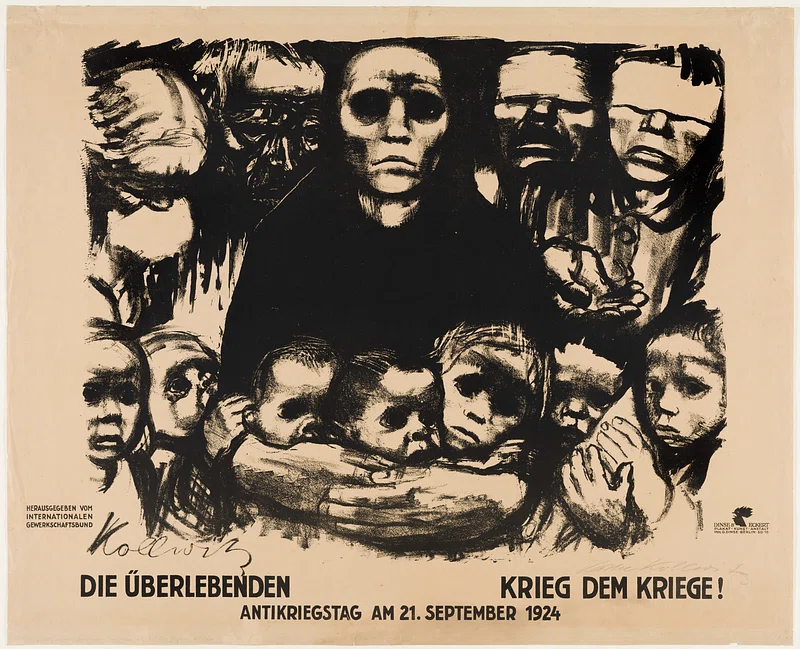
In a displacement camp in Deir al-Balah, a mother holds her four-year-old son. He stares at the floor. He has not spoken in three months.
Before the war, he sang songs. He asked for juice. He spoke in full sentences. Then an airstrike collapsed the building next door, the blast threw him against a wall, and when the dust settled, something in him went quiet. He was not physically hurt. But his voice was gone.
Doctors call it selective mutism. The throat is fine. The tongue is fine. Only the mind has closed.
What the Numbers Say
The silence is not rare. It is everywhere.
According to UNFPA official Sima Alami, 96 percent of children in Gaza believe death is imminent. More than one million children need mental health support. One in five adults thinks about suicide almost daily.
Child psychotherapist Katrin Glatz Brubakk, working with MSF, puts it plainly: these are children exposed to extreme trauma who, without any medical cause, simply stop talking. It is always extreme trauma.
One six-year-old girl watched her father die in the rubble. She has not made a sound since. Her mother tells the doctor: she used to call me "Mama" a hundred times a day. Now she just looks at me.
What Silence Looks Like in Practice
The children who stop speaking are not unresponsive. They follow instructions. They nod. They point at what they want. But words do not come. Some have been silent for six months. Some for a year.
Most clinics have no psychologists. A small number of exhausted local workers use puppets and crayons to reach children. They are critically under-resourced. The tools exist. The people exist. The access and the funding do not.
Mental health care for children is not a secondary concern in a conflict. It is the work of keeping a generation intact. Gaza's youngest survivors are not only losing homes and family members. They are losing the ability to speak about what happened.
That loss does not appear in casualty counts.
What Can Be Done
Selective mutism is treatable. Trauma-informed care works. But only if someone shows up with the tools and the training.
Supporting organizations that work directly in Gaza on child mental health, including MSF, UNICEF, and the Gaza Community Mental Health Programme, funds the therapists and the local workers who are already there. Art therapy kits, including crayons and puppets, cost less than twenty dollars and are among the most effective early interventions available.
Advocacy for humanitarian access matters too. Mental health workers cannot reach children when crossings stay closed.
And sharing this newsletter matters. The world must hear about the children who can no longer speak.
Support the Work
Yafa Relief delivers direct humanitarian aid to families in Gaza, including support for displaced children and those most at risk. Every contribution reaches people on the ground.
If you can give, give now at yafarelief.org.
If you cannot give, share this newsletter. That matters too.
You said: create an arabic and french version