When people think of a humanitarian crisis, they often think of what is missing.
Missing homes. Missing schools. Missing safety. Missing certainty.
But one of the clearest signs of hardship is often found in something much smaller.
The meal.
In many families, the day is measured not by clocks, but by food. What can be found. What can be stretched. What can be saved for later. What can be turned into something that feels just a little more complete.
A mother looks at what is left and begins to plan.
A grandmother thinks about how to make one small amount feed more people.
A child watches quietly, hoping there will still be enough for everyone.
This is not the kind of work that makes headlines.
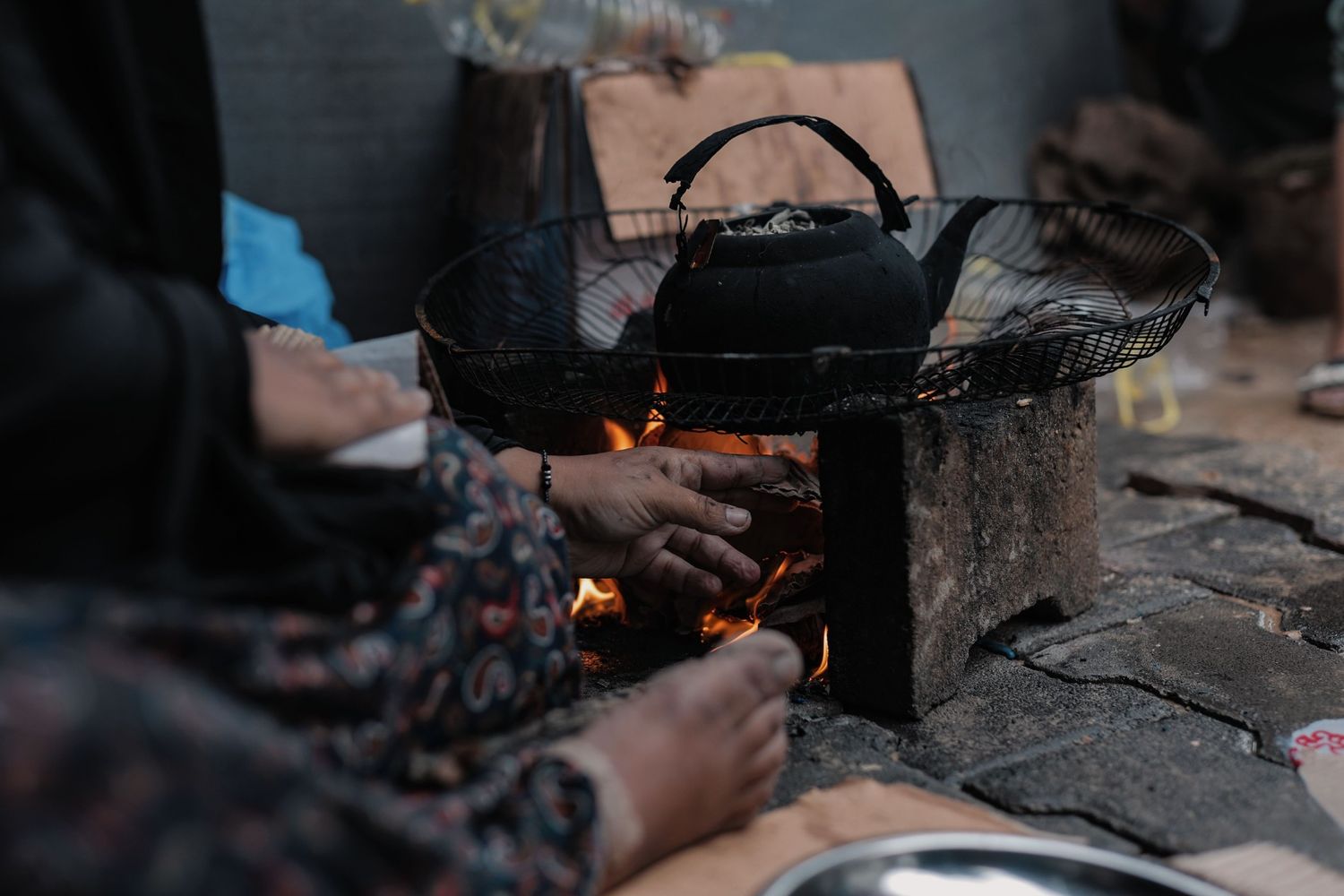
There are no news cameras when someone tears bread into smaller pieces so every child gets some. No applause when a pot is kept on the stove a little longer, hoping it will last until the evening. No photograph can fully show the effort that goes into making a simple meal feel like enough.
And yet, this is where so much of survival happens.
In difficult times, food becomes more than food.
It becomes a way to care for one another.
A way to say, even with little, we are still here. Even now, we will make room for each other. Even now, we will not let this day take everything from us.
For some families, the challenge is not only finding food, but making it last.
They measure carefully.
They save what they can.
They learn how to prepare meals that are filling, practical, and shared with care.
A little flour becomes bread.
A few vegetables become soup.
A small meal becomes a reason for children to sit together, to talk, to laugh, and to feel, for a moment, that life still has a rhythm they can recognize.
There is dignity in that kind of effort.
Not because the situation is easy. It is not.
But because people continue to create moments of normality even when normal life has been torn apart.
They keep cooking.
They keep sharing.
They keep finding ways to gather the family around one table, one tray, one plate at a time.
These are the moments that rarely get noticed.
The hands that stir the pot.
The eyes that count the portions.
The quiet decision to give the biggest piece to someone else.
These acts are small only on paper.
In real life, they carry a family through the day.
They remind children that they are being cared for.
They remind parents that their effort matters.
They remind grandparents that the home, no matter how changed, still holds love inside it.
And that is why the meal matters so much.
Not because it is perfect.
Not because it is plentiful.
But because it gathers people together when so much else is pulling them apart.
The next time you see a family receive food or sit down to eat in difficult conditions, remember that the story did not begin at the table.
It began with someone trying to make the little they had go further.
It began with patience, care, and the refusal to let hardship erase the simple act of feeding the people you love.
Sometimes, that is what holds a family together.
Not abundance.
Not comfort.
Just one meal, made with what was left, and shared with as much love as possible.