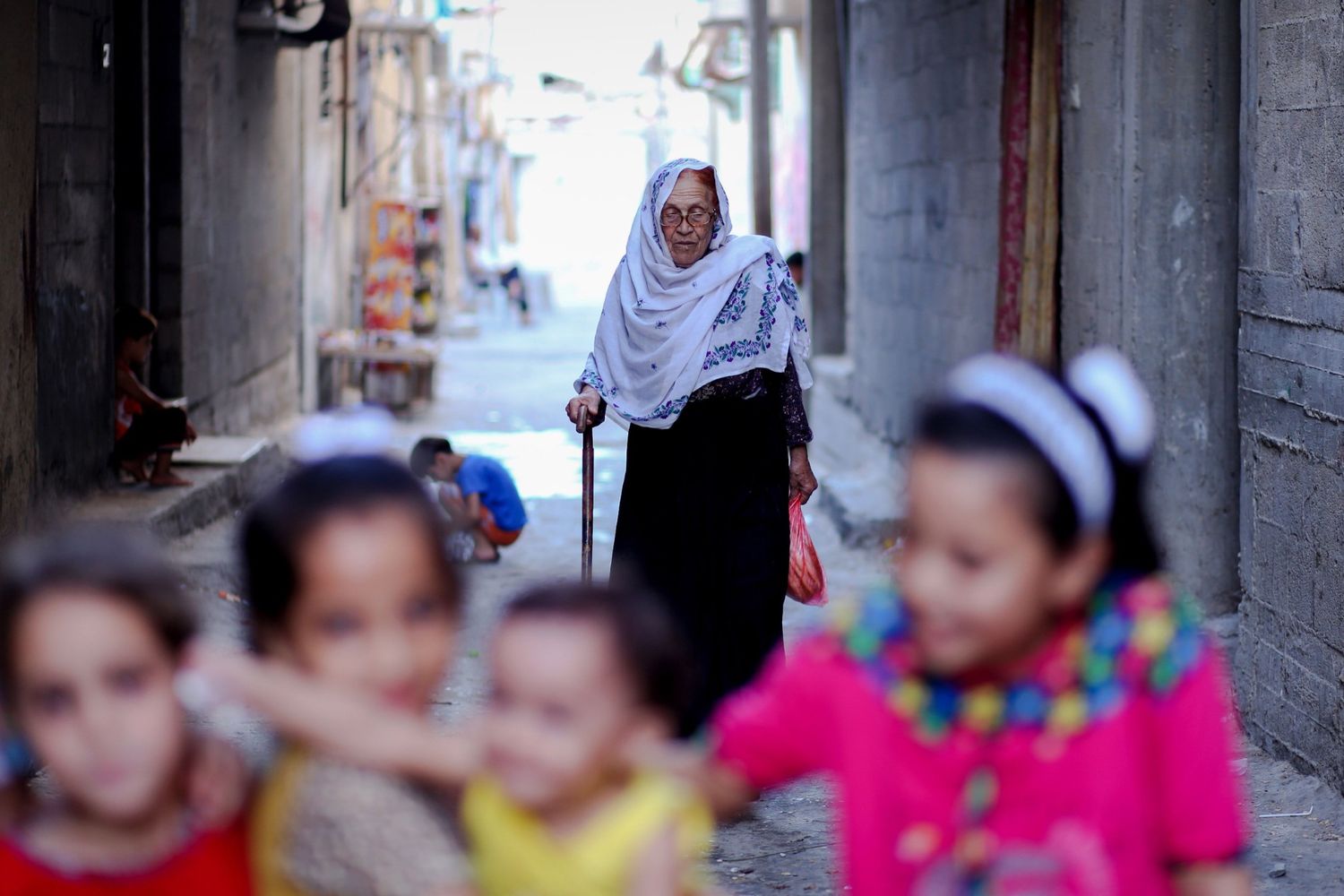
When people speak about strength, they often imagine moments that change history—acts of remarkable courage or decisions that capture the world's attention.
But there is another kind of strength. It rarely makes the news, and it almost never receives applause.
It appears in the ordinary routines of people whose lives have been turned upside down.
A mother walks a familiar route each morning carrying empty containers, hoping there will still be clean water by the time she reaches the front of the queue. A father leaves home before sunrise, not because work is guaranteed, but because staying home guarantees nothing at all. A teacher gathers children wherever a safe corner can be found, determined that learning should continue even without classrooms, desks or textbooks.
In a crowded clinic, a nurse finishes one patient and welcomes the next, despite exhaustion. Every face tells a different story, yet each person deserves the same care and attention.
None of these people would describe themselves as extraordinary.
They are simply doing what the day asks of them.
Perhaps that is the part of conflict we understand the least. We notice collapsed buildings because they are visible. We count damaged roads and destroyed homes because they can be measured. What is harder to see is everything that survives alongside the destruction.
Families continue sharing meals, even when there is very little to share. Neighbours check on one another without being asked. Children still find reasons to laugh while playing games they invent with whatever is close at hand.
Life does not stop entirely. It adapts.
Humanitarian organisations become part of that effort, not by replacing communities, but by standing beside them. Local volunteers know which families have been overlooked. Teachers understand which children have missed the most school. Healthcare workers recognise those who need immediate attention long before their names appear on any list.
Their experience cannot be packed into a relief truck, yet it shapes every successful humanitarian response.
It is easy to see people affected by conflict only through the lens of what they have lost. Yet loss is not the whole story.
They are skilled workers eager to return to their jobs. Parents determined to give their children a better future. Young people who still talk about university, careers and the lives they hope to build once peace allows them the chance.
Their ambitions have been interrupted, not erased.
At Yafa Relief, we have learned that meaningful humanitarian work begins with listening before acting. Every community understands its own priorities, and every conversation offers a clearer picture of what support is needed most.
Recovery is never a straight path. There are setbacks, delays and difficult days that test everyone's patience. Even so, progress often reveals itself in quiet ways: a classroom opening its doors again, a family preparing dinner in their own home, a neighbour helping another without expecting anything in return.
These moments may never become headlines.
But they remind us that courage is not always found in extraordinary acts.
Sometimes it is found in the simple decision to begin again, one day at a time.