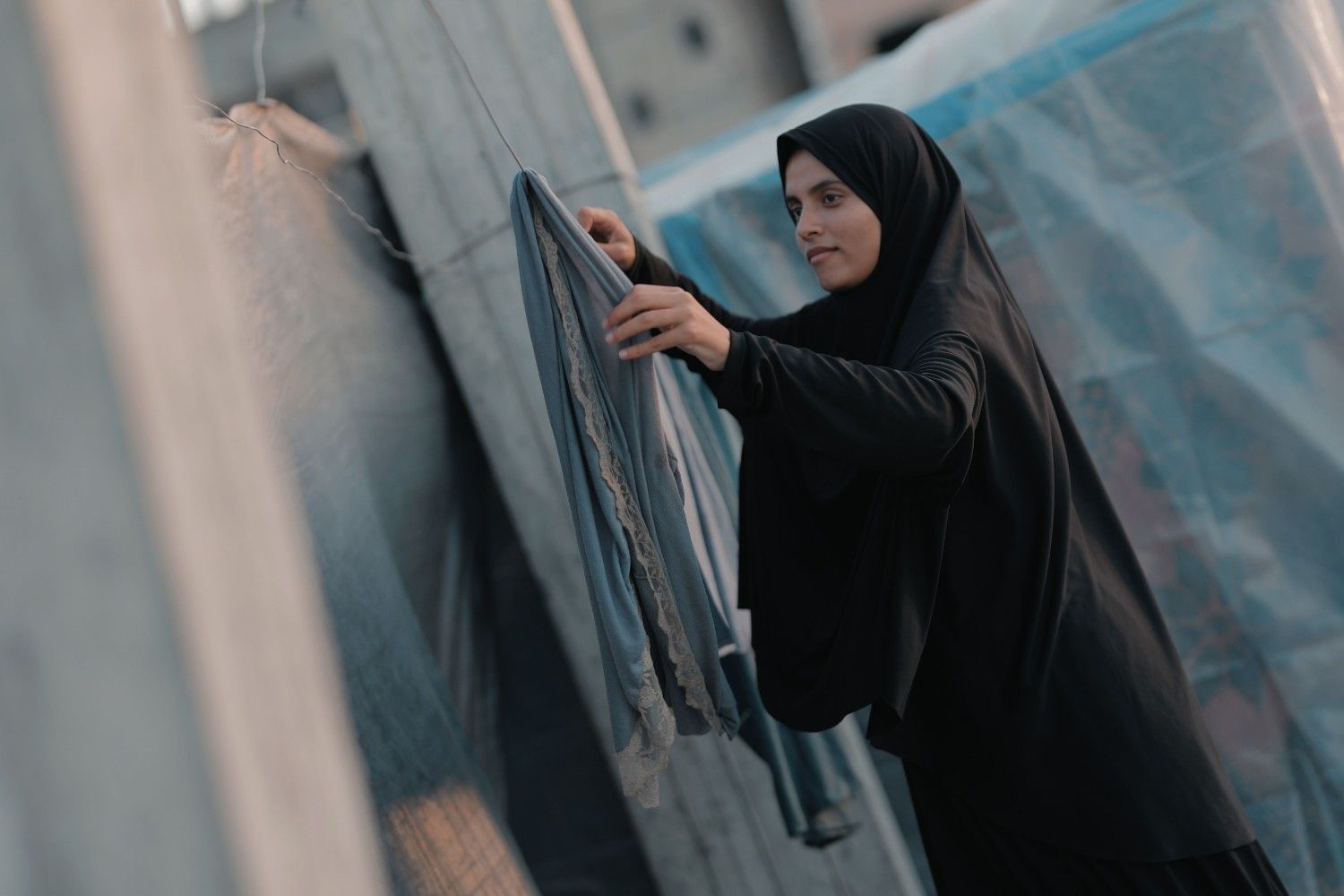
The hardest part is not always the hunger.
It is not the damaged buildings, the endless uncertainty, or even the sound of distant explosions that have become part of daily life.
For many families in Gaza, the hardest part is waiting.
Waiting for news.
Waiting for food.
Waiting for a phone call from a loved one.
Waiting for a future that feels increasingly difficult to imagine.
Every morning begins with questions that have no clear answers. Parents wake before sunrise wondering whether they will find enough food for the day. Children ask when school will return to normal. Grandparents sit outside temporary shelters hoping to hear from relatives they have not seen in months.
Life continues, but it moves differently now.
In one displacement camp, a father spends his afternoons repairing old toys he finds among the rubble. Most of them cannot be fully restored. Missing wheels, cracked plastic, broken parts. Still, he works carefully.
When asked why, he gives a simple answer.
"Because children should still have something to smile about."
It is a small act. But in a place where so much has been taken away, small acts matter.
Across Gaza, people have developed countless ways to preserve a sense of normality. Mothers bake bread whenever flour is available. Neighbors share tea even when supplies are limited. Children invent games using scraps of cardboard and pieces of string.
These moments rarely appear in headlines.
The world often measures crises through numbers. The number of people displaced. The number of buildings damaged. The number of aid trucks that entered or failed to enter.
Those figures matter.
But they never tell the whole story.
They cannot capture the woman who keeps a family photo tucked safely inside her coat. They cannot explain why a child carefully waters a single surviving plant outside a shelter. They cannot measure the determination of people who continue helping one another despite their own hardship.
Human resilience does not fit neatly into statistics.
And yet it exists everywhere.
Aid workers encounter it every day. Not in grand gestures, but in ordinary moments. A neighbor sharing bread. A teacher gathering children together for an informal lesson. A volunteer carrying water to elderly residents who can no longer walk long distances.
These actions will not end the crisis.
But they remind us of something important.
Even in the most difficult circumstances, people continue to choose compassion.
The humanitarian situation remains severe. Families still need food, clean water, medical care, and shelter. The challenges are enormous and the needs continue to grow.
Yet alongside the hardship, there is another story unfolding.
It is the story of people refusing to give up on one another.
A story of dignity preserved in difficult conditions.
A story of hope that survives, even when uncertainty feels overwhelming.
For now, many families are still waiting.
Waiting for relief.
Waiting for peace.
Waiting for the chance to rebuild their lives.
But while they wait, they continue doing what people have always done in times of hardship.
They care for their children.
They support their neighbors.
And they hold onto the belief that tomorrow can be better than today.